
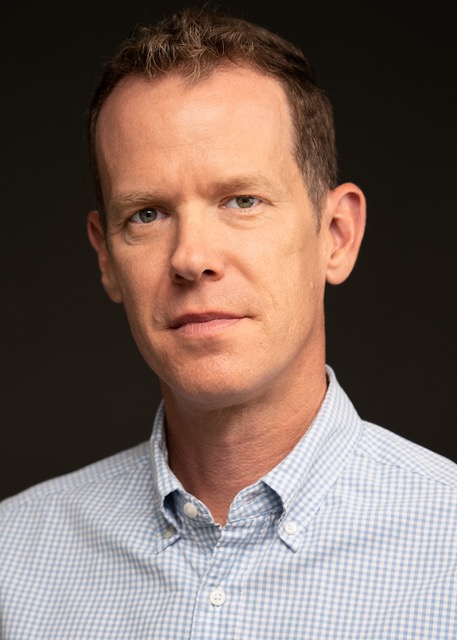
Finish Your Novel with Scott
Scott O’Connor is the author of the novels Zero Zone, Untouchable, and Half World, as well as A Perfect Universe: Ten Stories, and the novella Among Wolves. He has been awarded the Barnes & Noble Discover Great New Writers Award, and his stories have been shortlisted for the Sunday Times/EFG Story Prize and cited as Distinguished in Best American Short Stories. Additional work has appeared in The New York Times Magazine, The Paris Review, Zyzzyva, and The Los Angeles Review of Books. He teaches creative writing at California State University Channel Islands and in workshops around Los Angeles
@scottsoconnor
Work with PocketMFA
Join one of PocketMFA’s unique programs to develop your craft, prepare for publication, finish your manuscript, and find your writing community.
Decide if Scott is Right for You with Our Mentor Interview
Tell us about your current writing life. What are you working on at the moment?
“My agent is currently shopping my fifth book, a coming-of-age mystery called Loser Leaves Town. And I hate waiting for responses, so instead I’m deep at work on my sixth book,” Scott said.
What first drew you to long form writing — and what keeps you coming back to it?
“Long-form writing feels so natural to me. Maybe I’m long-winded. But I love the size and scope of a novel, the way it breathes, the way you have to orchestrate its mood and tempo over time. And I love immersing myself in writing a novel. I can mark much of my life by what book I was writing during those years. It demands so much of you every day—intellectually, professionally, emotionally. I find that challenge both incredibly difficult and worthwhile.”
What does a successful mentorship look like to you by the end of a program like Manuscript Studio?
“By the end of the Manuscript Studio I want my writers to have made significant progress on their manuscripts, to understand those manuscripts in a deeper and more complete way, and have a clear idea of what they need to do next, whether that’s another draft or querying an agent. I also work with my writers to help them understand their process. Once they understand how they’re writing, they can make changes where necessary, introduce new craft elements and techniques, and have a stronger idea of their unique vision for the book, which helps in finding the courage and determination to see that vision through to the end.”
What excites you most about writing?
“I’m most excited when I’m deep in a project that has taken on a life of its own, when I can see what the novel or story or essay or script can be in its best form, as a thing apart from me. Then my ego or the way I’m feeling about my writing day to day is no longer important. I’m an employee now—I work for that thing.
In many ways, writing has shaped my life. It’s my career, my art, my way of seeing the world. It’s brought me so many friendships and amazing experiences. I try to remind myself to be grateful for it every day,” Scott said.
What mindset does a writer need to grow?
“Curiosity, imagination, a willingness to be uncertain, to be wrong, to take risks.”
What three words describe you as a mentor?
“Supportive, inquisitive, adventurous.”
What makes a good writing mentor?
“I mentor from personal experience. I know the joys and challenges of writing, I’ve been there—I’m there right now. I’m always paying attention to my process, what’s working, what isn’t working. Sharing my process helps my students develop their own.”
What is your style of feedback?
“I ask a lot of questions. I want to know more—about characters, setting, structure, about a writer’s thought process and choices. The best answers—the only answers that stay true to their work—come from the writers themselves. Through feedback and discussion, we get there together.”
What was the most recent “standout” book you read, and what drew you to it?
“Say Hello to My Little Friend, by Jennine Capó Crucet. It’s a novel that sounds impossible to pull off: a contemporary riff on Moby Dick, refracted through the prism of modern-day Miami, Pitbull’s discography, and a killer whale with a psychic link to a young Cuban-American man who models his life on Tony Montana’s in Scarface. I found Crucet’s sheer audacity inspiring. A reminder that there’s nothing we can’t attempt in a novel. We’re bound only by the limits of our imagination and the courage to see it through.”