
Finish Your Novel with Cynthia
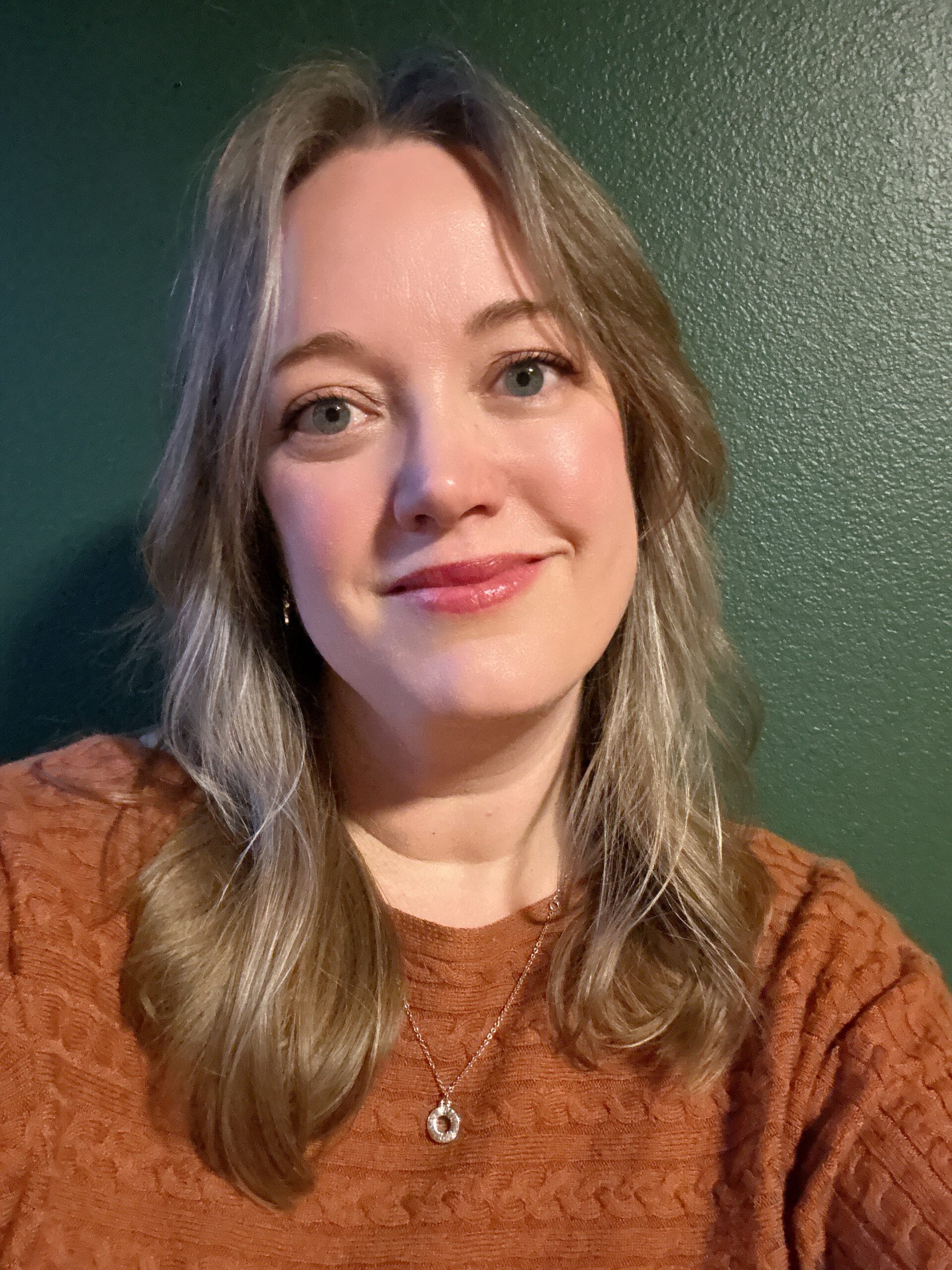
Cynthia Hand is the New York Times bestselling author of over a dozen novels for teens, including the popular Unearthly series, The Last Time We Say Goodbye, and The Afterlife of Holly Chase. She also writes the Jane books with fellow authors Jodi Meadows and Brodi Ashton, including My Lady Jane, which was made into an Amazon Prime television series in 2025. Before turning to writing for young adults, Cynthia studied literary fiction and earned both an M.F.A. and a Ph.D. in fiction writing. She taught creative writing at Pepperdine University and Boise State University for more than fifteen years, specializing in novel writing, short stories, and publishing. She currently resides in Boise, Idaho, with her husband and daughter, two cats, one crazy dog, and a veritable mountain of books.
Receive Mentorship Today
Apply to join the mentor’s small group of writers that they will lead through our unique mentoring program.
Decide if Cynthia's Right for You with Our Mentor Interview
Tell us about your current writing life. What are you working on at the moment?
“Right now I am finishing up the last major edits on my latest book, Night of the Wolf. This is what I’d like to call an “eco-thriller,” about two teen girls who embark on a mission to try to save wolves that are being trapped and killed for bounty in the forests of Idaho and their fight to survive when their plans go awry and they’re kidnapped by the notorious “Big Bad Wolf Killer.” Then I’m pivoting to an adult epic high fantasy that I’ve been worldbuilding for the past two years. Very exciting!” Cynthia said.
How would you describe your mentoring style?
“I’m one part coach (seriously, you can do this!), one part brainstormer (let’s talk about all the possible ways to come at this problem), and one part seasoned editor (I will analyze your work at four different levels: the communication of the story, the craft elements, the intellectual drive (aka, the plot) and the gut—the emotional journey the piece takes the reader on. I’m thorough. I’m a good mix, too, of theoretical and practical, since I have experience in both worlds.”
What first drew you to novel writing — and what keeps you coming back to it?
“Even when I was writing literary short stories back in my MFA and PhD days, I was always drawn to plots of a larger scale. I tend to have big ideas that fill novels. I worked on a short story collection with stories that I wrote along with my intermediate fiction writing students last year, and it was so hard to go back to the tight style and pacing of short stories. I like to have room to explore the world, the characters, and their stories.
In terms of what drew me to writing in general, it is just something I’ve always loved to do. I wrote my first story when I was five years old—it was about a fairy born in a flower. I spent recesses in the elementary school computer lab to type up my stories. I wrote fan fiction all through middle and high school. I was pre-law in college but sneaked in creative writing classes whenever I could, until my senior year when I announced that I intended to be a writer, not a lawyer, and applied for MFA programs. I must write. It’s just part of who I am.”
What is something you often find yourself saying in feedback to writers?
“The best thing about being a writer is that you can try anything. If it doesn’t work, you can chuck it and try something else. There’s no penalty for experimenting, for playing with ideas and different techniques, for thinking outside the box. This is closely tied with another thing I always tell my students: write what you love. Write for yourself, not what you think other people want you to write. You are what makes your writing unique, what makes it stand out from everyone else’s writing. Lean into you—your experience, your knowledge, your quirks, your obsessions, your heart.”
What kinds of writers or projects are you especially excited to work with right now?
“Oh gosh, I’m up for anything. One of the things I love about teaching novel writing is how many different subjects and genres I get to delve into, how much I learn about the world (and about you!) every single time. I would love some funny-but-heartfelt stories about the modern life of a teen—I find this fascinating, as a young adult writer and as a parent of a teen. I’m super excited by horror and thriller novels right now. I am very interested in fantasy—romantasy, sure, but also good old-fashioned high/epic fantasy, as that is what I’m writing next—and science-fiction is an old love of mine. I’m also a history buff, so I relish historical fiction, alternative history, and retellings of classic works.”
What is one craft element you think writers often misunderstand or overlook?
“So often new writers think the work is going to be in the communication of the writing—the grammar, the syntax, the words themselves, but this is really the least important part of the process. Even the elements of craft—setting, character, point of view, pacing, plot—are secondary to what I call the GUT of the novel—the emotional core of the character’s (and therefore the reader’s) experience. The power of the story lies in the gut. It shapes what will impact the reader, and what we’ll remember forever about the book. It is the singular most important thing to work on as a student of writing—how to craft that gut part of the book without trying to force emotion from the reader or puppet the characters and their feelings. “
Can you share a moment in your own writing career that significantly changed how you approach your work?
“When I was a young writer I wrote completely generic settings. In my MFA program I was the only student from Idaho, and I didn’t want to be seen as the local hick, so I avoided writing about the places I knew best. I told myself that I wanted my work to be more universal, so I didn’t write about anything specific. Then, in my second year of grad school, I read an essay by Eudora Welty about writing from “the heart’s field,” embracing your experience and writing about the subjects and places only you know about. I took that essay so much to heart. I rewrote a story of mine to try to capture a specific place from my childhood. It was the first story I ever workshopped that people seemed excited by. It became my first published story, and it attracted the attention of my agent, who is still my agent, twenty years later, so in some ways that lesson launched my writing career. From that moment on I approached writing out of place—I never start a novel until I have a very firm idea of its setting, and I discover the characters out of that specific location, even the fantastical, other-worldly books that I’ve written. It’s a practice that has served me well.”
What does a successful mentorship look like to you by the end of a program like Novel Studio?
“A successful run of this program ends with us knowing one another—and your work—extremely well after working hard together over the weeks. You will have a novel that you’re proud of and confidant in—maybe it’s not entirely finished yet, but well on its way. You will know exactly what you need to do to cross the finish line and what the process will be to take that novel where you want it to go. You will feel like you’ve grown so much over the past six months—not just in your current project, but as a writer.”
What advice would you give a writer who feels “stuck” in their project right now?
“When I get overwhelmed, (since novel writing always feels like a gargantuan, impossible task, even fifteen novels in) I remind myself it happens by writing small. Today, you don’t have to write an entire novel. You only have to write what will fit in a one-inch picture frame—a tip I learned from Anne Lamott. Breaking it down into smaller pieces is how you get the job done. If you write even one small moment from one scene today, you will make progress. Don’t give up.”
What are two recent novels you devoured and would recommend to writers?
“I have recently been charmed by Dungeon Crawler Carl by Matt Dinniman and Legends and Lattes by Travis Baldree. Both were engrossing for entirely different reasons, and I get why they are so popular. I also fell in love with T. Kingfisher this year, who writes these wonderful fantasies featuring non-typical female heroines, like Hemlock and Silver, where a middle-aged apothecary is forced from her mundane, comfortable life to cure the ailing princess Snow—yep, it’s a Snow White retelling, in the most creative way imaginable.”