
Finish your Novel with Lauren
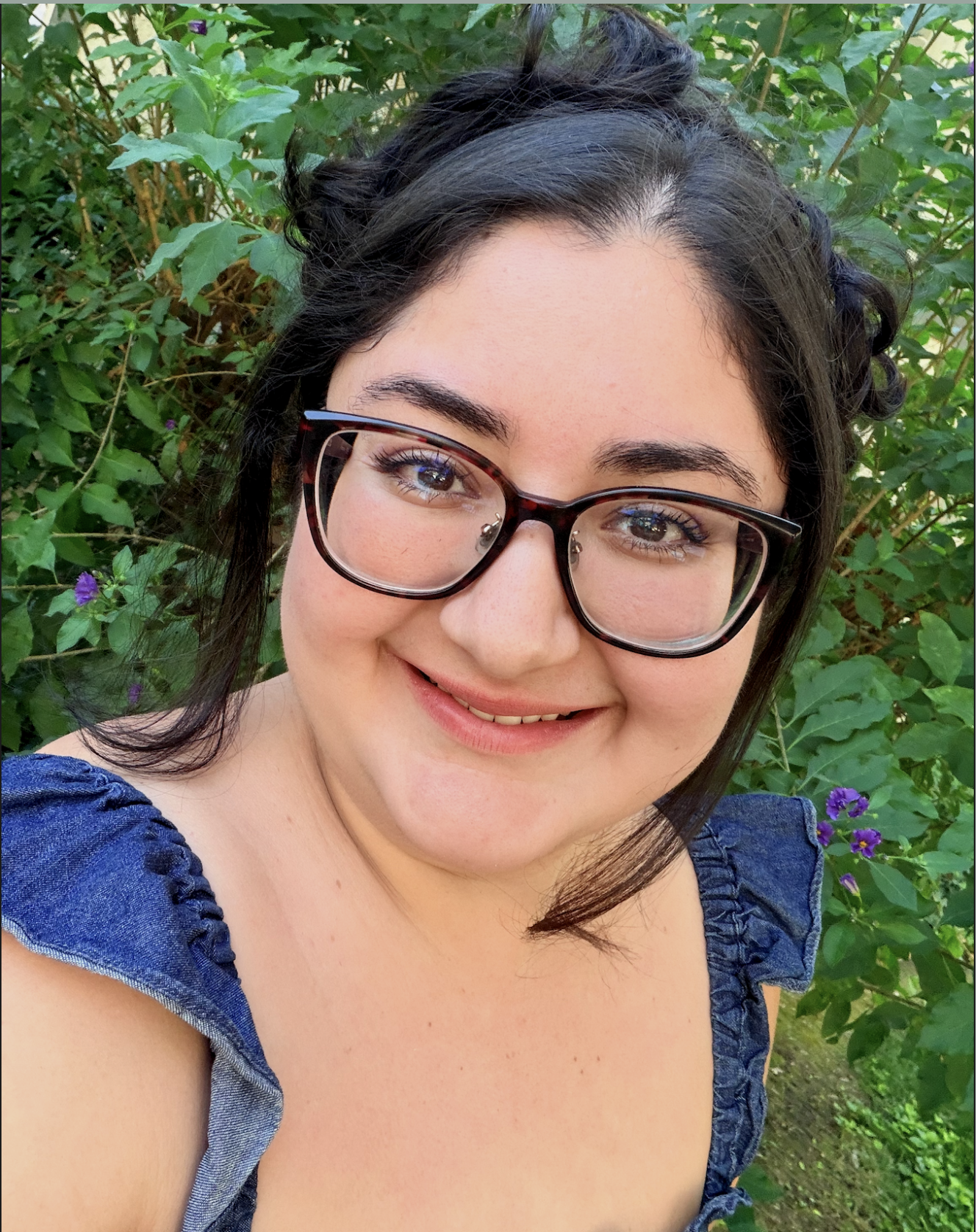
Lauren T. Davila is a Pushcart-nominated, Latina author, anthologist, and acquisitions editor.
Her debut magical realism short story collection THE PATRON SAINT OF WHITE MENAGERIES is out September 1st, 2026 from Creature Publishing.
She has edited multiple short story anthologies. including TO ROOT SOMEWHERE BEAUTIFUL: AN ANTHOLOGY OF RECLAMATION (Outland Entertainment 2024) and WHEN OTHER PEOPLE SAW US, THEY SAW THE DEAD (Haunt Publishing 2022)
Her poetry and short fiction has appeared online at Granada Magazine, The Paragon Journal, Ghost Heart Literary Magazine, Peach Velvet Mag, Voyage Journal, Second Chance Magazine, Headcanon Magazine, In Parentheses, and Poets Reading the News.
Lauren has an MA in English from Claremont Graduate University and an MFA in Fiction Writing from George Mason University. Besides her personal creative work, she is:
-
the Acquisitions Editor at Inked In Gray Press, where she is actively acquiring genre fiction from historically marginalized writers
-
the Assistant Director at PocketMFA, an online writing and mentorship program
-
and a reading/writing retreat leader at Lumina Literary Tours.
She lives in the greater Los Angeles area where you can find her swimming, walking her golden retriever, and drinking one too many lattes.
Work with PocketMFA
Join one of PocketMFA’s unique programs to develop your craft, prepare for publication, finish your manuscript, and find your writing community.
Decide if Lauren is Right for You with Our Mentor Interview
What excites you most about writing?
“Writing, for me, is an exhilarating journey of self-discovery and creative expression. It’s the process of unraveling the intricate threads of thoughts, emotions, and experiences, weaving them together to create something that resonates with others. What truly excites me about writing is the ability to capture the essence of moments, to delve into the depths of human emotions, and to give voice to the often-unheard narratives of my communities. Through my words, I aim to challenge norms, provoke thought, and ignite empathy, ultimately fostering a deeper understanding of the diverse world we inhabit.
Writing has profoundly impacted my life, serving as a powerful outlet for introspection and catharsis. Whether through poetry or fiction, it has allowed me to showcase how I see the world and how I interpret it. As a Latina writer living with chronic illness, my writing allows me to explore my communities and provide representation where I can. I utilize this framework as well in my role as an anthologist and an Acquisitions Editor. I feel a profound sense of responsibility to contribute to a more inclusive and equitable means of storytelling,” Lauren said.
What mindset does a writer need to grow?
“To continually evolve, a writer must foster a mindset of perpetual curiosity, eagerly exploring new concepts and perspectives. Alongside this curiosity, a writer has to be willing to confront challenges, internal biases, and how they see the world around them. Oh, and not giving up in the face of rejection or criticism is so important!! The ability to pivot, such as moving to different mediums or genres, can foster a more organic approach to telling a story.
Equally important is the willingness to accept and integrate feedback. By maintaining an open attitude toward critique, a writer can refine their work and develop a deeper understanding of their own strengths and weaknesses. Furthermore, a commitment to continuous learning is fundamental, as it enables the writer to remain receptive to new ideas, techniques, and literary trends, fostering a deeper connection with the evolving landscape of the written word. Often, we see feedback and fundamental learning happening hand-in-hand in a workshop space, which is amazing!
Regular self-reflection can help a writer to gain insights into their own creative process and aspirations. We learn how to writer in deeper and more meaningful ways by refining our narrative voice. Yeah, easier said than done, but one easy way to do so can by staying open to the perspectives of others and acknowledging that there is always more to learn.”
What makes a good writing mentor?
“A good writing mentor embodies a pedagogy of understanding and kindness, recognizing that nurturing emerging voices requires more than just technical guidance. They cultivate a safe and inclusive space that encourages open dialogue, while embracing diverse perspectives and narratives often overlooked within traditional academic and creative spheres.
Moving away from the “ivory tower” of more systemic institutions, they prioritize accessibility and inclusivity, dismantling barriers that might hinder aspiring writers from diverse backgrounds. They advocate for representation, ensuring that underrepresented communities are not only included but celebrated for their rich contributions to the broader literary landscape. They foster a culture of mentorship that values authenticity and personal growth, allowing mentees to unearth their specific narrative voice.
By cultivating an environment grounded in understanding, kindness, and a commitment to inclusivity, a good writing mentor not only shapes the next generation of writers but also contributes to a more compassionate and equitable literary community that thrives on the richness of diverse narratives and experiences.”
What is your style of feedback?
“My style of feedback combines the attentive approach of a beta reader with the precision of an editorial background. I tend to leave extensive in line comments (a nice mix of professional line edits along with the perspective of an impartial first time reader) along with a short closing note that explores both global and local strengths and weaknesses.
I aim to create a relaxed and personable atmosphere where constructive criticism is shared in a supportive and nurturing manner. Understanding that every writer comes from a unique place of inspiration, I make it a point to not only focus on where they want to go but also on acknowledging and celebrating where they are coming from.
With a keen eye for detail, I delve into the nuances of their writing, providing specific suggestions for enhancing character development, plot progression, or refining the overall narrative structure. I understand the significance of maintaining the writer’s unique voice and style, and my feedback is geared towards preserving their authenticity while refining their craft.
In essence, my approach to feedback is grounded in fostering a collaborative and supportive environment, where writers feel empowered to experiment and grow without the fear of judgment. By creating a relaxed and personable space, I aim to facilitate a productive and enriching feedback process that encourages writers to embrace their creative journey with confidence and enthusiasm.”