
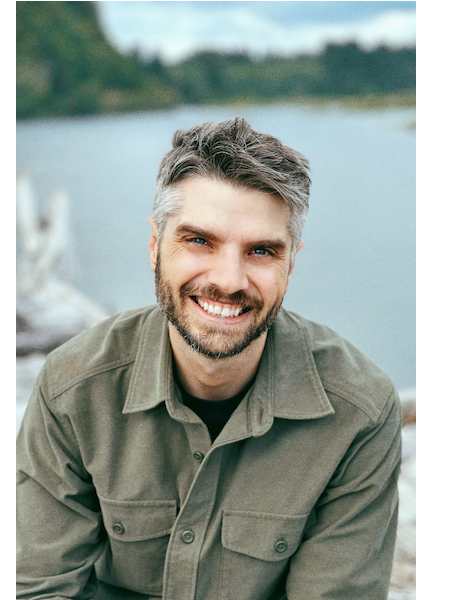
Grow Your Writing with Joshua
Joshua Roark is the founder and director of PocketMFA. He has served as a Poetry Mentor at Antioch University Los Angeles’ MFA Program, and currently works as the main faculty for their Post-MFA Certificate in the Teaching of Creative Writing. After founding Frontier Poetry and Palette Poetry, Joshua went on to become the Editorial Director of Discover New Art and helped launch several more literary magazines and platforms, publishing work by incredible artists, serving writers of every genre and style. Joshua Roark’s book of sonnets about teaching middle school, Put One Hand Up, Lean Back, was published by Unsolicited Press.
In addition to his poetry, Joshua is a screenwriter and film producer in Los Angeles. Most recently, Joshua produced Dead Deer High, a feature film based on his original screenplay about a high school teacher and his team of misfit poets who overcome the tragedy of a school shooting to compete in the poetry slam national championship. The film was directed by his wife, Jo Rochelle, his frequent collaborator. The film is currently in post-production and will premiere in 2026.
Work with PocketMFA
Apply to join a mentor’s small group of writers that they will lead through our unique 12 week mentoring and workshopping program.
Decide if Joshua is Right for You with Our Mentor Interview
What excites you most about writing?
“I have built the entirety of my life around writing! I am so blessed to get to live and breathe writing and live in solidarity with other writers every single day. I even married a writer. I personally find a great sense of dignity, awe, and meaning in the pursuit of writing, of seeking truth through the written word, and would not trade this work for any other,” Josh said.
What mindset does a writer need to grow?
“Growth requires at once an openness and curiosity to encounter what is unknown, and also a quiet confidence in the value of your own lived experience as a human being. For writers in particular, I believe it’s also essential to deeply enjoy the pleasures of writing, inquiry, and thinking on their own terms—writing for professional success is important, but our greatest source of energy for growth is tied into the joy of process rather than solely the excitement of accomplishment.“
What three words would describe you as a mentor?
“Listening, listening, listening.“
What makes a good writing mentor?
“Someone with a solid understanding that a writer’s manuscript should only be approached with eyes to improve that writer’s vision of what already exists. We’re not trying to make anything our own. Additionally, the ability to connect with others as people first and foremost always helps. Art reflects life, but to me, that means it reflects our deepest fears, what we value, and what we long for. Taking this into consideration, a good mentor remembers there’s a human being on the other side of the screen, and I respect anyone showing up to create in a world where creation is believed to be either unnecessary or a distraction.”
What is your style of feedback?
“My number one job is to get you excited to return to the page, because the page is the true teacher of anything in this work. There are no ideas, insights, or skills that I can transfer to anyone to make them “better”—I can only help you become excited to do the work of becoming better on your own, through the practice, struggle, and process of writing. I believe this excitement is created in a chemistry of critique and compliment, unique to every individual writer and their personal goals for the work.
My feedback also tends toward development of the writer being prioritized over development of the individual work, though the individual work is the material and means of that larger development.”
What was the most recent "standout" book you read?
“My favorite experiences reading lay between Kaveh Akbar’s Calling a Wolf a Wolf and T.S. Eliot’s The Four Quartets.“